
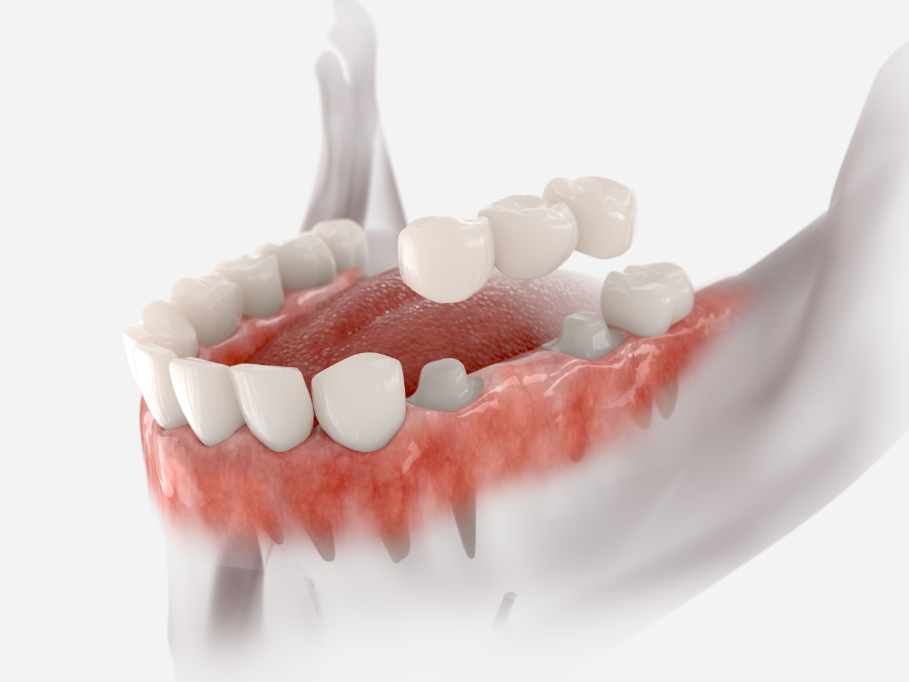
Dental bridges are a reliable solution for replacing missing teeth and restoring your smile’s appearance and function. With proper care, a dental bridge can last up to 15 years or more. However, like any dental restoration, bridges are not immune to problems. Understanding what can cause a bridge to fail helps you take steps to protect it and maintain a healthy, lasting smile.
Tooth Decay or Gum Disease
One of the most common causes of bridge failure is decay in the teeth supporting the bridge, known as abutment teeth. Even if your bridge itself is strong, decay or infection in these teeth can compromise the entire restoration.
Gum disease is another factor that can lead to failure. Healthy gums provide essential support for bridges. Inflammation, bleeding, or bone loss can weaken the foundation and reduce the bridge’s stability. Maintaining excellent oral hygiene and regular dental visits is key to preventing these issues.
Poor Oral Hygiene
Even the strongest bridge cannot withstand neglect. Failing to brush and floss properly allows plaque and bacteria to build up around the abutment teeth and under the bridge. This can lead to decay, gum disease, and ultimately, bridge failure.
Special tools, like floss threaders or water flossers, can help clean under and around bridges, keeping both the restoration and surrounding teeth healthy.
Chewing Hard or Sticky Foods
Dental bridges are durable, but certain foods can place excessive stress on them. Chewing ice, hard candies, or sticky foods like caramel or taffy can loosen the bridge or even cause damage over time.
Being mindful of what you eat and avoiding habits that stress the restoration can help prolong its lifespan and prevent the need for repairs.
Trauma or Accidents
Accidental trauma to the mouth—such as falls, sports injuries, or biting down on something unexpectedly hard—can damage a bridge. While bridges are designed to withstand daily use, sudden force or impact can compromise their structure.
Wearing a protective mouthguard during sports or other activities that risk dental injury can reduce the likelihood of damage.
Poor Fit or Design
In some cases, a bridge may fail because it wasn’t properly designed or fitted. If the bridge does not align correctly with surrounding teeth or the bite, it can experience uneven pressure. Over time, this can lead to loosening or fracture. Professional assessment and adjustments by your dentist are essential to ensure the bridge functions correctly.
Regular Checkups Make a Difference
Routine dental visits are vital for identifying potential issues before they become serious problems. Your dentist can examine the bridge, check the health of supporting teeth, and make minor adjustments if needed. Early intervention can prevent minor problems from turning into costly repairs.
With attentive care, most dental bridges can remain strong and functional for many years.
About the Practice
Our dental practice in Tulsa is led by Dr. Michael O’Brien, a holistic dentist who believes in personalized care that considers your oral health and whole body wellness. Dr. O’Brien grew up inspired by family members in dentistry and has pursued extensive training in implants, orofacial pain, sleep disorders, and biologic dental medicine to deliver safe, high quality care tailored to each patient’s needs. He is certified in techniques like SMART safe mercury amalgam removal and is dedicated to using advanced, body-safe materials and technology. Away from the office, Dr. O’Brien enjoys spending time with his wife and two sons, playing golf, and staying active. At our practice, we focus on thoughtful, comprehensive dentistry that helps patients feel comfortable, informed, and confident in their smile.
Call us at (918) 477-9000 or request an appointment online.