
Dentures – Tulsa, OK
Have a Healthy, Complete Smile Again
It’s currently estimated that upwards of 178 million Americans are struggling with tooth loss. That means upwards of 178 million Americans are struggling to smile confidently, eat a well-balanced diet, and communicate clearly with their loved ones. If this sounds all too familiar, then don’t wait any longer; schedule an appointment with our highly experienced Tulsa dentist to discuss dentures! Until your appointment, you can learn more about this tried-and-true tooth-replacement solution by reading on.
Why Choose O'Brien Dental Wellness Center for Dentures?
- Dentist is a Fellow of the International College of Oral Implantologist
- Dental Insurance and Flexible Financing Welcome
- Serving the Community for 20+ Years
Who’s a Good Candidate for Dentures?
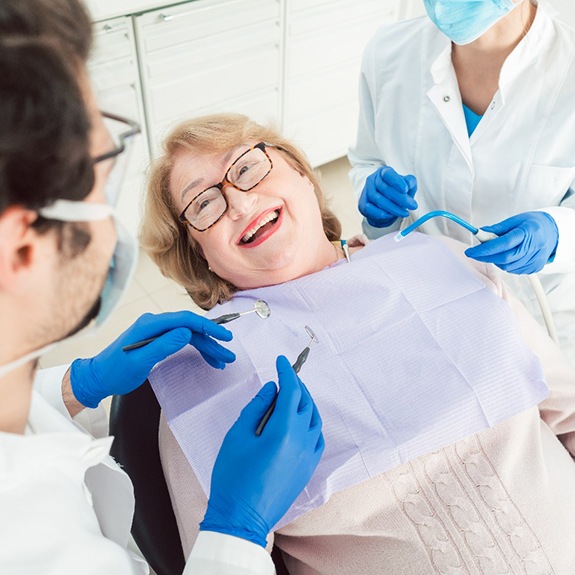
For decades, dentures have helped patients regain the smile they lost, and they look and feel more lifelike than ever before thanks to advancements in both dentistry and technology. Before moving forward with this tooth-replacement option, you’ll first need to know if you’re eligible for the treatment. Our team will walk you through the different factors that make someone a good candidate for dentures, and we can even discuss alternative methods for rebuilding your smile.
Effects of Missing Teeth
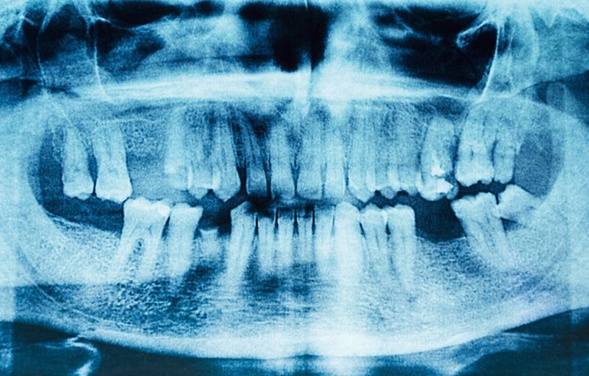
Contrary to most assumptions, losing a tooth can have a drastic impact on your smile and overall health. The American Academy of Periodontology states that there are several issues that can arise due to missing teeth. Some of these problems can include trouble speaking, difficulty eating, facial sagging, and even lower self-esteem. Not only can normal daily activities become more challenging to do, but you may also start to feel self-conscious about your appearance. By rebuilding your complete smile with dentures, you’ll be able to improve the majority of your oral functions as well as your quality of life!
What Qualifies You for Dentures?
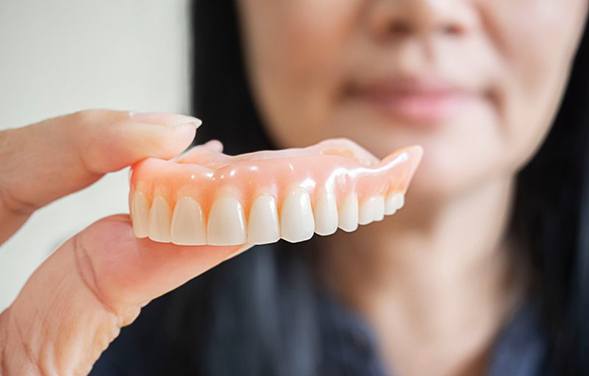
If you’re missing three or more teeth in a row, you’re missing several teeth throughout your mouth, or you’re missing all of your teeth, then there’s a good chance that you’re a candidate for dentures. When discussing your situation with our team, we will assess how many of your teeth are missing and where in the mouth they were located, so that we can develop a proper treatment plan to rebuild your grin. As long as you have good oral health, you should be eligible for dentures. Should we find any underlying problems like gum disease or tooth decay, then we’ll need to resolve these issues before moving forward. Doing so will increase your success rate, ensuring that you can make the most of your dental prosthetics.
Alternative Tooth-Replacement Options
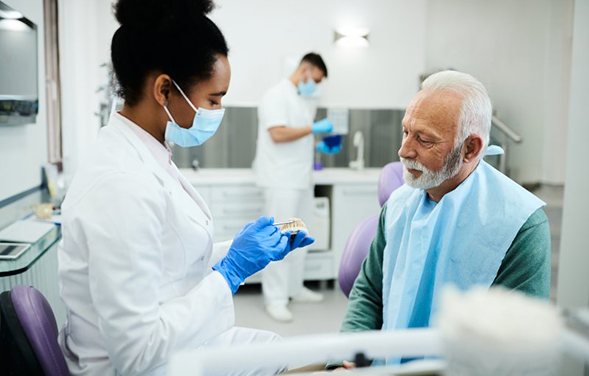
In some cases, dentures may not be the ideal option for certain people. Even so, our team can offer alternative methods for rebuilding missing teeth. Our other treatment options include:
- Dental Bridges: If you are missing one or a few teeth in a row, a dental bridge can effectively close the gap in your smile. This prosthetic consists of two dental crowns and pontics—the artificial teeth that form the bridge.
- Dental Implants: Those who want a more stable and longer-lasting tooth replacement might consider getting dental implants. These metal posts are directly embedded into the jawbone so that they can anchor your restorations. Due to their placement and lifelike function, you can expect your results to last several decades to a lifetime with proper care.
Types of Dentures
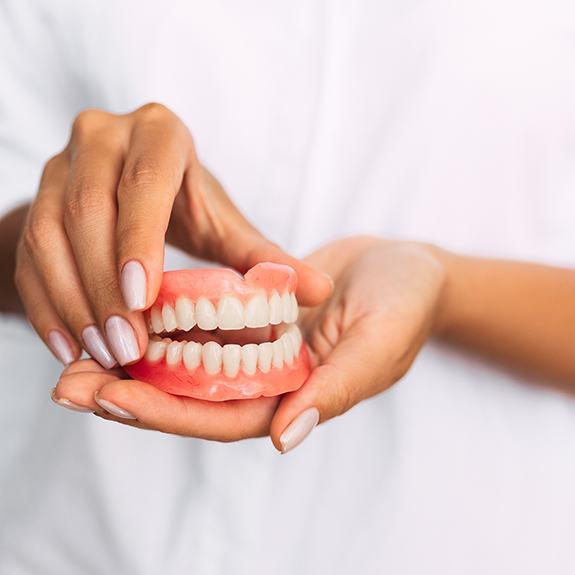
Our dedicated Tulsa dentist, Dr. Michael O’Brien, offers three types of dentures at our office. Once he has the opportunity to meet with you one-on-one to learn all about your dental needs and smile goals, he can provide you with more information on each and share his recommendations. In the meantime, you can read on for a brief overview!
Partial Dentures
If you are missing several teeth throughout your mouth or multiple in a row, then we will likely recommend a partial denture. In this case, we will attach the replacement teeth to a lifelike, gum-colored base. A discreet metal framework will hold your restoration in place, preventing it from moving out of position as you laugh, talk, and chew.
Full Dentures
Full dentures, on the other hand, are ideal for patients who are missing an entire arch of teeth or all of their teeth. The gum-colored base and replacement teeth aren’t held in position by a metal framework though; they are held in place by natural suction and, in some cases, denture adhesive.
Implant Dentures
Implant dentures are incredibly innovative. Instead of being held in place by a metal clasp or a special adhesive, several strategically placed dental implants keep them in position. Not only does this add to their lifelike appearance, but it also helps prevent bone loss and preserves your youthful face shape. Plus, they often last for several decades!
The Benefits of Dentures

The loss of many or all of one’s teeth can make many daily tasks like eating, speaking, and smiling confidently quite challenging, and dentures may be the best way to restore your grin after severe tooth loss. Here’s a quick overview of several of the ways in which dentures can change your life for the better, but please feel free to contact Dr. O’Brien’s team if you’d like to learn more.
Psychological Benefits

It can be quite difficult to accept the loss of many or all of one’s teeth, and this can take a severe toll on a person’s mental health by making them less willing to engage socially and more likely to experience issues like sadness, isolation, and depression. Restoring the appearance and function of your smile with gorgeous dentures from our Tulsa office can be a fantastic way to improve your confidence and self-esteem.
Clearer Enunciation

Losing teeth can alter the way vibrating air moves about the mouth during speech and make it more difficult to pronounce certain sounds and words. Since dentures work in the place of your missing teeth, they can make it much easier to communicate clearly and confidently. After you have a few weeks to get used to speaking with your appliance, conversing while wearing it should feel increasingly natural and comfortable.
Improves Nutrition

Tooth loss can make chewing more difficult and cause uneven dental wear. Since dentures support your remaining natural teeth, they can help prevent unnecessary enamel erosion and make it easier to chew tasty and nutritious foods thoroughly. This can help a patient enjoy a healthy diet that keeps their body strong while avoiding unpleasant issues like indigestion and malnutrition.
Preserves Oral Health

The empty spaces left by missing teeth can leave the gums vulnerable to injury and put excessive pressure on the rest of the dental arch. Dentures can shelter the gums from injury and help support the remaining teeth to prevent damage and keep them healthy and strong.
Expands Opportunities

Your smile is one of the first things other people notice about you, and tooth loss can make it difficult to grin proudly and leave a positive first impression in business and social situations. Restoring your lost teeth with dentures can make it easier to meet people, build trust and rapport, make friends, close sales, and stand out from the competition when being considered for a new position at work.
Dentures Aftercare

While modern dentures work pretty well, they don’t do so without help. These prosthetics require regular care and maintenance to stay functional over time. (Anything less leads to early treatment failure, something that puts your restored smile at risk.) All that said, you can rest easy; O’Brien Dental Wellness Center has tips on caring for your dentures. You can learn about them in detail by reading below, or call us to hear more over the phone.
Removeable Dentures
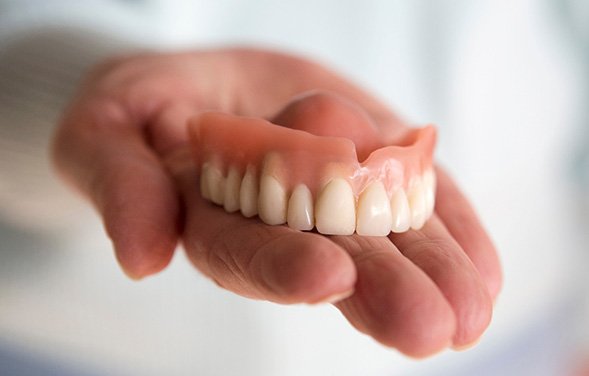
Remove After Eating
First and foremost, please remove and rinse your dentures after meals. Doing so eliminates plaque (and other debris) that can cling to your prosthetic teeth. Thanks to this effect, post-meal removals and rinses lower your risk for oral health issues like gum disease.
You mustn’t use hot water for the rinses, though. The truth is that high temperatures can warp denture material, causing your restorations to fail. It’s best to use cold or room-temperature water instead.
Clean Your Restoration
Beyond rinses, you should also give your dentures once-daily cleanings. These sessions get rid of “leftovers” that you’d otherwise miss, overlook, and so on. At the same time, they help your dentures feel good and fresh when placed in your mouth.
You’ll just need to note two things when cleaning dentures. The first is that you should brush them with a toothbrush and dish soap; normal toothpaste is too abrasive. Secondly, rinse your dentures after brushing to ensure you remove stubborn materials.
Keep Your Dentures Safe
Though they’re fairly durable, today’s dentures can still fracture and break. You must thus keep them safe through appropriate and tailored methods. If you don’t, you’ll end up with chipped, cracked, or broken prosthetic teeth.
There are several good ways to protect dentures. For example, you could place a towel in your sink during cleanings; the cloth would cushion your device from falls. You also have the option of storing your dentures in a case when they aren’t in use. (This method protects your restorations from kids and pets.)
Remove Dentures When You Sleep
Another tip is to remove your dentures every night before you sleep. Wearing them to bed isn’t good for your health, so you should place them nearby instead.
Indeed, various problems can arise from wearing dentures while asleep. One notable example is irritated gums, which occur when your gum tissues’ circulation is restricted. Overnight denture use also leads to elevated plaque levels that increase your risk of gum disease and pneumonia.
Notice Changes
Last but not least, remember to check your dentures (and your mouth) for periodic changes. Issues related to your prosthetics – irritated gums, mouth sores, etc. – often require a dentist’s help.
It’s especially crucial to see a dentist if your dentures get damaged. While DIY repairs may seem like a good idea, they’d just harm your restorations further and put your oral health at risk. In contrast, our team has the knowledge and skills needed to reline or replace dentures.
Dentures FAQs
Do Dentures Break Easily?
Dentures are very durable, but they don’t last forever. They can last between five and seven years with a good denture-care routine. However, accidents can happen. A common reason for broken dentures is accidentally dropping them while cleaning, inserting, or removing them. They can also break or fracture if they don’t fit well. Even if you take great care of your dentures, they can get worn down over time. If you have concerns about how your dentures fit or your dentures are damaged, let us know so we can help.
Can I Sleep with My Dentures?
It is typically recommended that you take your dentures out at night when you go to sleep. When you first get your dentures, you may be told to keep them in your mouth for the first 24 hours, including when you sleep. After this, it is ideal to take them out in the evening when you head to bed. This is because dentures restrict the circulation in your gums, leading to soft-tissue irritation and potentially speeding up ridge resorption. Taking dentures out gives them the opportunity to recover.
Will It Hurt to Get Dentures?
If you need to have your teeth extracted before you can get dentures, you are likely to experience some discomfort after the oral surgery. Take your prescribed pain medication as directed and the discomfort should get better after three to five days. You might experience some minor soreness as your mouth adjusts to your new dentures, but this is temporary. If pain persists, let us know so we can take a look. This could be the result of an underlying health issue that needs to be addressed.
Will Dentures Change the Shape of My Face?
When you lose your teeth, your facial muscles will start to sag. This can give your face a sunken appearance. Getting dentures means providing support to facial muscles that have collapsed, therefore improving your appearance. When dentures don’t fit properly, they may not be giving your face proper support, so you should have them refitted or replaced at your earliest convenience.